July 24, 2026
Zoysia grass represents an increasingly popular choice for homeowners looking for a durable and beautiful lawn. Its ability to withstand drought, resist weeds, and require less mowing than other traditional grass species makes it an appealing option for modern properties. However, the journey to a lush Zoysia lawn begins with a comprehensive and methodical Zoysia grass installation process executed by experienced crews. A successful setup not only provides an immediately stunning visual landscape but also maximizes the longevity and health of the turf system for years to come. By prioritizing structural preparation and professional care, property owners can secure a vibrant outdoor space.
Before examining the specific phases of the project, it remains essential to understand why this particular turf stands out among alternative grass varieties. Its exceptionally dense growth pattern and robustness against temperature extremes make it highly versatile for various regional climates and environmental conditions. Additionally, it represents a sustainable choice due to its minimal long-term water and nutrient requirements compared to coarser options. These premium features contribute significantly to the growing popularity of the turf among commercial landscapers and homeowners alike.
1. Preparing the Ground for Success
The foundational phase of a professional project involves a complete analysis and structural refinement of the existing soil environment. Specialized technicians initiate this process by executing detailed soil tests to determine the precise pH balances and nutrient distributions present across the property. In our experience, most premium turfgrasses thrive optimally within slightly acidic to neutral pH ranges, typically measured between six and seven. With clear insights from the tests, you can proceed with confidence, knowing that your soil is primed for support. Moreover, well-prepared soil equates to less corrective maintenance down the line, saving you time and effort. According to LawnStarter, the average homeowner spends 70 hours maintaining their lawn per year, emphasizing the need for an efficient start.
Next, professional crews clear away old vegetation, rocks, and debris to eliminate competition for subterranean resources. Industrial tools are then utilized to break up compacted earth to a depth of several inches, maximizing oxygenation and enhancing the water retention capabilities of the ground. Proper amendments, including organic compost or specific mineral adjusters, are integrated thoroughly during this mechanical tilling process to balance the texture. Finally, meticulous grading and leveling procedures are performed utilizing commercial machinery to prevent future drainage issues. This extensive site preparation establishes a perfectly flat, highly fertile base that ensures optimal root-to-soil contact for a successful Zoysia grass installation.
2. Choosing the Ideal Grass Variety
Selecting the specific cultivar of turf is a critical decision that dictates how well the lawn will adapt to local climate variations and shade patterns. Different varieties of this grass display unique characteristics regarding leaf width, cold hardiness, and shade tolerance, necessitating a careful evaluation before the actual Zoysia grass installation begins. For example, finer-textured cultivars provide a remarkably dense, dark green carpet that mimics a manicured resort but may require specific sunlight profiles. On the other hand, broader-leafed options offer exceptional cold tolerance, making them highly suitable for regional zones experiencing colder winter cycles.
Beyond temperature resilience, the selection process must also account for the anticipated foot traffic and functional utilization of the outdoor space. Highly resilient cultivars are chosen for expansive family yards or commercial spaces where heavy usage is expected, ensuring the turf can self-heal rapidly via its vigorous stolon network. Upkeep expectations also influence this choice, as certain premium varieties grow at slower rates, thereby reducing the necessary frequency of professional mowing and services.
3. Timing the Installation Process Perfectly
The chronological scheduling of the project plays a decisive role in determining how quickly the root system integrates with the prepared underlying soil. Landscapers recommend scheduling a Zoysia grass installation during the late spring or early summer months when ambient temperatures consistently favor warm-season grass development. During this specific window, the combination of warm soil and abundant sunlight accelerates natural photosynthesis, allowing the newly placed sod to establish its root infrastructure with maximum efficiency.
Furthermore, seasonal timing directly influences the irrigation logistics required to sustain the fresh sod planks during their initial vulnerable weeks on site. Installing during the peak active growing season allows the grass to capitalize on seasonal rainfall patterns while maximizing the effectiveness of professional irrigation schedules. Landscaping experts carefully monitor regional weather forecasts to avoid periods of extreme heat or severe drought, ensuring that the establishment phase proceeds under optimal atmospheric conditions.
4. Laying the Sod Planks Uniformly
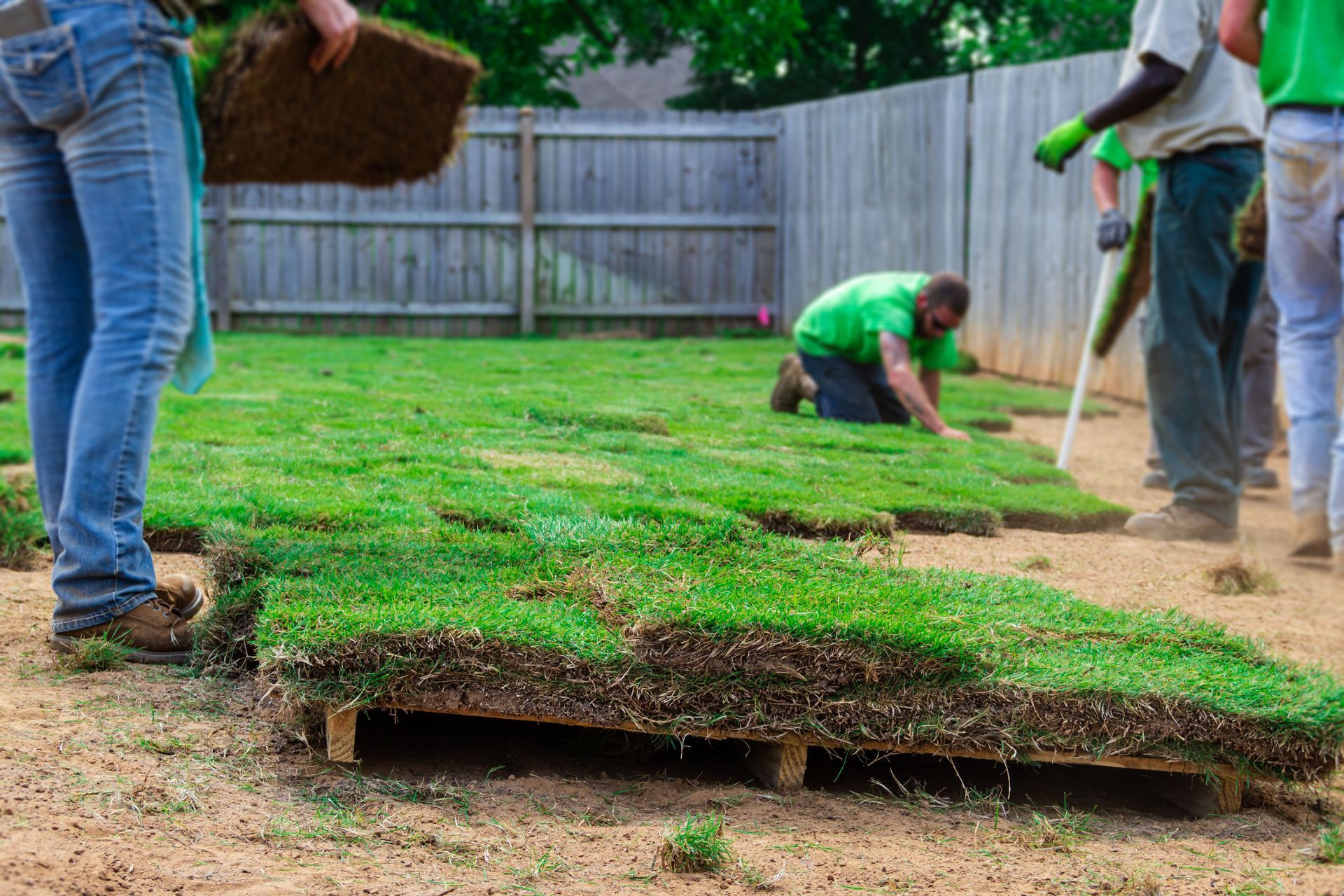
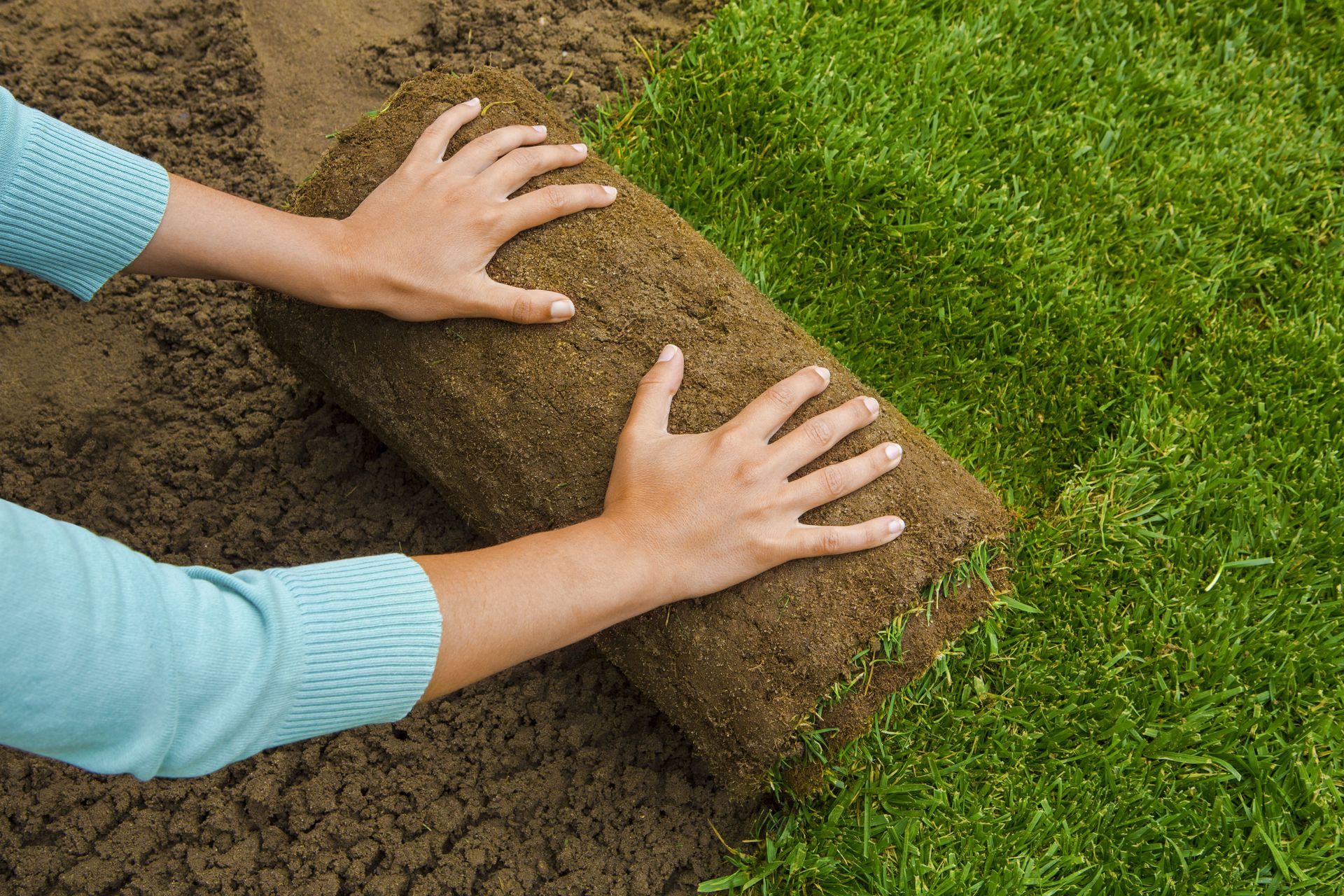
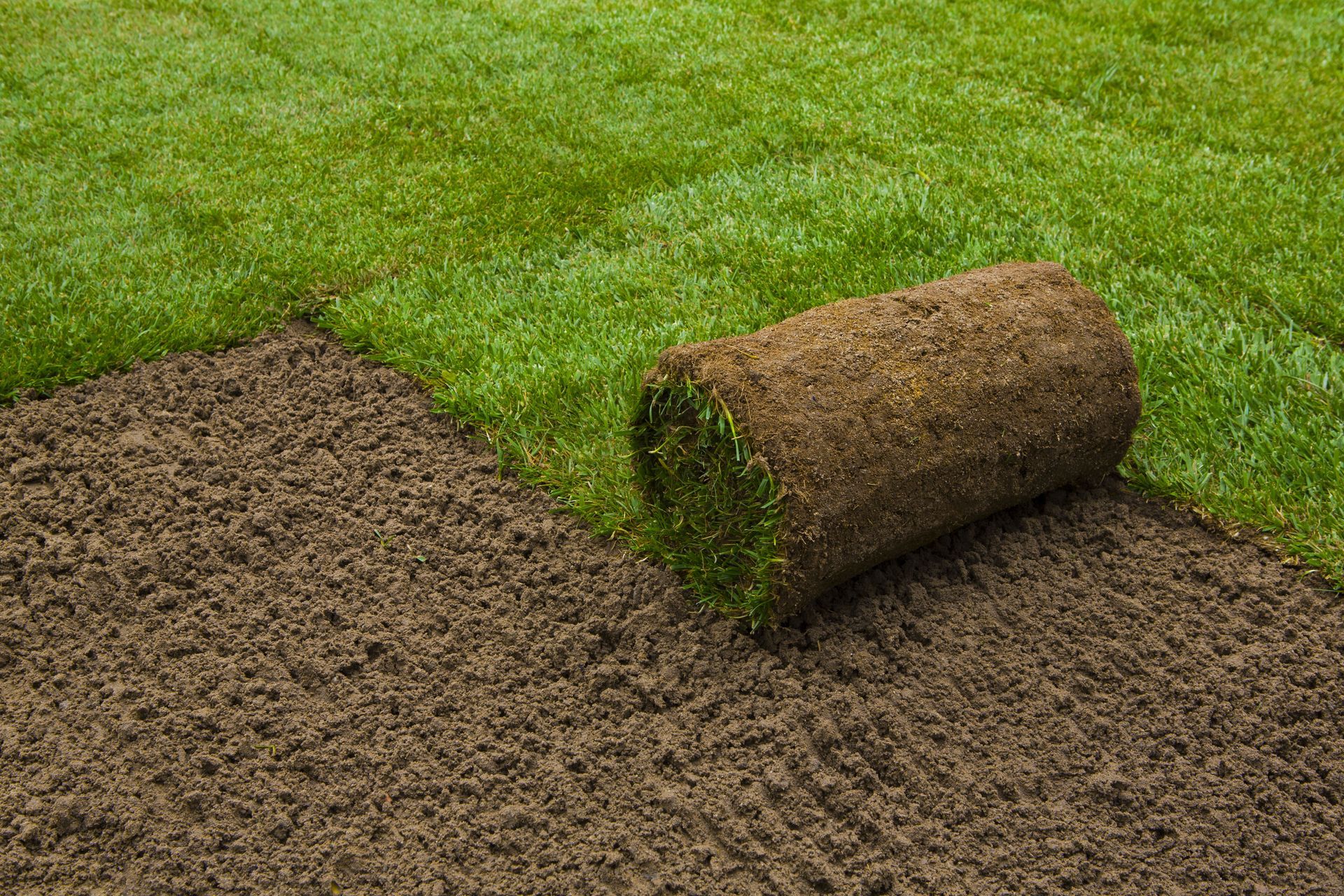
Laying the living turf requires precision and coordination that seasoned installation teams provide. The freshly harvested sod tiles must be delivered and placed within a strict timeframe to prevent the root systems from drying out or overheating inside the transport pallets. Workers carefully align the edges of each rectangular sod piece, utilizing a staggered brickwork pattern that eliminates continuous vertical seams and prevents soil erosion along the edges. This precise layout method ensures that water distributes evenly across the entire surface and guarantees that the individual pieces knit together seamlessly during a professional Zoysia grass installation.
Once the pieces are meticulously fitted around existing hardscapes, trees, and flowerbeds, the entire surface is rolled using specialized weighted water rollers. This rolling process is essential because it presses the roots firmly into the freshly amended soil, completely eliminating air pockets that could otherwise cause the grass to wither. Specialized cutting tools are utilized to trim the edges seamlessly around complex contours, ensuring a highly polished and professional aesthetic finish. The elimination of gaps between the sod planks prevents opportunistic weed seeds from germinating in the seams, thereby safeguarding the purity and visual consistency of the emerging lawn.
5. Nurturing the Newly Established Lawn
The period immediately following the placement of the sod requires a rigorous, scientifically managed hydration routine to ensure long-term survival. For the initial two to three weeks, professional irrigation systems are calibrated to provide frequent, shallow waterings throughout the day, keeping the sod planks and the underlying soil bed consistently moist without causing saturation. This continuous moisture availability encourages the individual grass plants to send out new roots into the native soil substrate, anchoring the lawn securely. As the root system deepens, technicians gradually transition the schedule toward less frequent but much deeper watering sessions that force roots downward.
In addition to precise hydration, the early maintenance framework includes strict restrictions on mowing and fertilization to prevent unnecessary stress on the young turf. The first professional mowing service is typically delayed until the roots have firmly anchored themselves, which is easily verified when the sod planks can no longer be lifted from the ground. The cutting height is set high during the initial clippings to preserve maximum leaf surface for energy production, ensuring the plants remain robust. Gentle, slow-release nutrient applications are introduced only after the lawn is fully established, concluding the success of the entire Zoysia grass installation process.
Achieving a flawless, enduring landscape requires a deep appreciation for the complex biological and mechanical steps that govern the establishment of premium turf. From the initial detailed analysis of the soil architecture to the precise selection of climate-compatible cultivars, every single phase demands expert oversight and flawless execution. Shortcuts taken during the initial ground preparation or cutting corners during the delicate layout phase inevitably result in patchy growth, drainage complications, and escalated maintenance costs over time.
For property owners seeking to transform their landscapes without stress, partnering with experienced professionals ensures that every variable is managed with complete precision. When you are ready to elevate your property with a pristine, low-maintenance turf system, contacting the dedicated team at Hunt's Turf Farm is the ideal next step. Our seasoned experts possess the sophisticated tools and deep regional experience necessary to handle every aspect of your premium
Zoysia grass installation, ensuring your outdoor space thrives vibrantly for years.