March 31, 2026
Sod companies play a pivotal role in enhancing soil stability and improving drainage, solving problems that affect both urban and rural landscapes. Through expert installation and innovative technologies, these companies provide environmentally sustainable solutions that combat erosion and manage water efficiently. This article will delve into the methodologies employed by sod companies, highlight the advantages of proper sod application, and explore the broader environmental and economic benefits.
Sod and Its Role in Soil Health
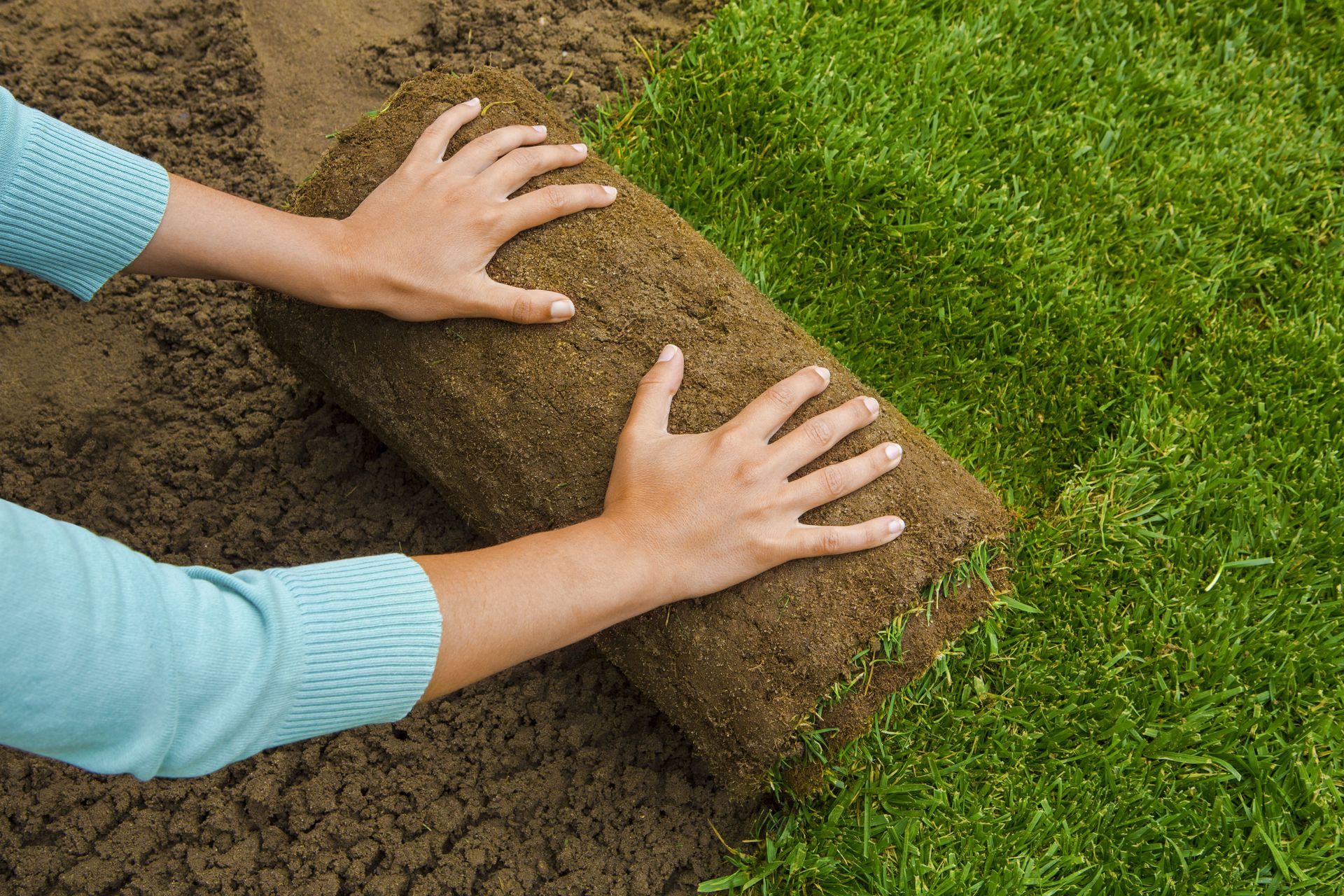
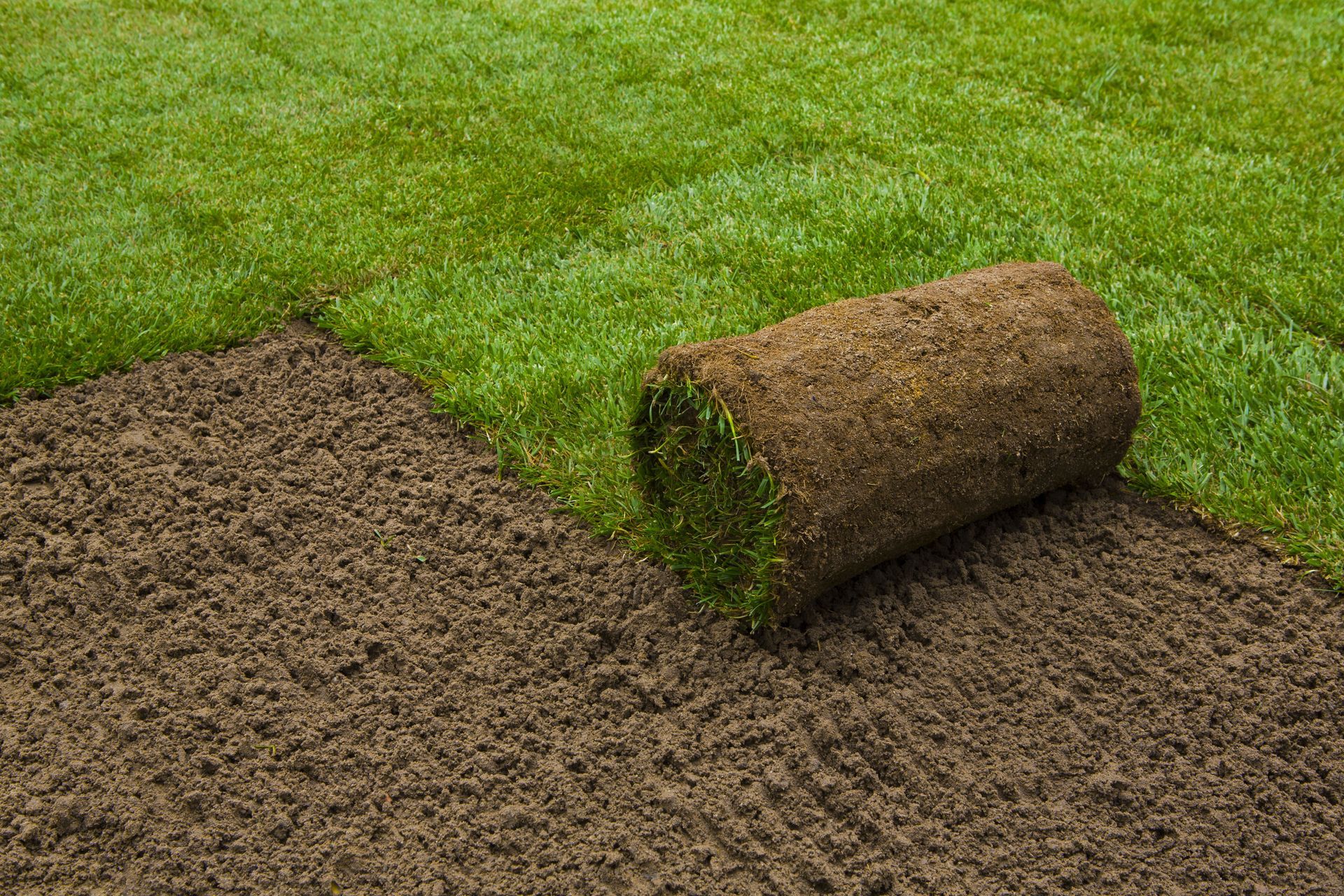
Sod, often referred to as turf grass, is a mature lawn made up of grasses and a thin layer of soil that is held together by their roots or a synthetic medium. It is predominantly used for lawns, golf courses, and sports fields to create instant green coverage. Various types of sod, including Kentucky bluegrass, Bermuda grass, and St. Augustine grass, cater to different climatic conditions and soil types, allowing for customizable landscaping solutions. Each type of sod possesses unique characteristics that make it suitable for specific environments. Selecting the right type of sod is crucial for ensuring optimal growth and performance in maintaining soil health.
Sod provides numerous benefits to soil health, primarily through its dense mat of roots, which help to anchor soil particles, thus reducing erosion. The root systems in sod help in water retention, promote nutrient absorption, and create a healthier agricultural ecosystem. Additionally, sod acts as an insulating layer that protects the soil from extreme temperatures, preventing both winterkill and desiccation. These properties collectively improve the soil's structural integrity, enhancing its capacity to support plant growth and resist environmental stressors. Moreover, the microbial communities within the sod's rhizosphere assist in decomposing organic matter, further enriching soil fertility.
The installation of sod can dramatically transform soil structure through the process of bioturbation, where plant roots and soil organisms intermingle, creating a well-aerated and porous soil profile. This process facilitates the movement of air and water through the soil, crucial for healthy plant growth. Through its fibrous root systems, sod works to bind the soil particles more cohesively, which prevents soil compaction—a common issue in pedestrian-heavy areas. By improving soil porosity and reducing compaction, sod allows for stronger root systems in plants, promoting better nutrient use efficiency. Additionally, it aids in reducing surface runoff and encourages infiltration, balancing moisture levels in the soil.
The Science Behind Soil Stability
Soil stability is intricately linked to its composition, which is determined by the proportions of sand, silt, and clay particles. The chemical composition, organic matter content, and soil texture play critical roles in defining its structural strength and resistance to erosion. A stable soil structure promotes better water infiltration and aeration, essential for root development and plant growth. Soils with high clay content possess poor drainage capabilities, leading to waterlogging, whereas sandy soils, being too porous, can have challenges in retaining moisture. The role of sod in improving soil stability is to amend these imbalances, enhancing the overall resilience of the soil structure.
Root systems are vital for stabilizing soil, as they create a binding network that holds soil particles together, reducing erosion and displacement. The density and depth of sod roots can significantly influence soil stability, as deeper roots anchor the soil more effectively. These roots also contribute organic matter, improving soil fertility and structure over time. By acting as a physical barrier, sod roots protect against the erosive forces of wind and water. The intermixed root systems further aid in maintaining soil moisture, supporting microbial activity essential for nutrient cycling.
Erosion is a natural process influenced by factors like water runoff, wind, deforestation, and poor agricultural practices. The consequences of erosion include degradation of arable land, sedimentation of waterways, and increased vulnerability to natural disasters. Sod installations reduce soil erosion by up to 95% compared to bare soil immediately after installation, according to Texas A&M AgriLife Extension. This significant reduction is achieved by the sod's dense root systems and foliage, which intercept rainfall and slow down the flow of runoff. Incorporating sod into erosion control strategies is thus a proactive measure that secures land and safeguards water quality.
Drainage With Proper Sod Installation
Efficient drainage systems begin with proper grading and soil preparation before sod installation. Grading ensures that water flows away from structures and does not pool in undesirable areas, which can lead to waterlogging and plant failure. Correct soil preparation involves removing debris, tilling to break up compaction, and incorporating organic matter to enhance soil structure and fertility. A well-prepared base promotes deeper root growth, which is essential for sustainable drainage. Proper grading combined with the right preparation ensures that sod lies flat and adheres closely to the soil, optimizing drainage performance.
There are several techniques in sod laying that can significantly enhance drainage. One common method is staggered seaming, where sod rolls are laid in an offset or brick-like pattern to prevent water from accumulating in seams. Adequate watering post-installation helps the sod roots to penetrate deeply into the soil, ensuring a strong grip and effective drainage capability. Edges and corners should be tightly knitted together to eliminate any gaps that could lead to uneven drainage areas. Additionally, choosing the appropriate time of year for installation, primarily during cooler seasons, can help reduce stress on the sod, promoting better root establishment and drainage efficiency.
Sod plays an instrumental role in reducing surface runoff due to its dense grass canopy and root network, which provides a natural barrier against water flow. The structure of sod acts to slow down water, allowing it to percolate into the soil rather than rushing over the surface, which can lead to erosion and nutrient loss. This not only helps in maintaining soil fertility but also replenishes groundwater levels. By trapping and utilizing rainwater effectively, sod significantly lowers the incidence of flash flooding in areas with inadequate runoff management. The adoption of sod in urban landscapes thus supports both structural integrity and water quality improvement.
Innovations in Sod Technology
Advancements in turf grass breeding have led to the development of drought-resistant sod varieties, which are tailored to thrive in water-scarce environments. These varieties exhibit deep root systems and a tolerance to limited watering, conserving water resources while maintaining lush green appearances. Species such as Zoysia and Bermudagrass exemplify these traits and are popular in regions facing prolonged dry spells. Drought-resistant sods not only reduce the demand for supplemental irrigation but also enhance sustainability in arid regions. Their use is a testament to the industry's focus on creating eco-friendly and resource-efficient landscape solutions.
Innovations in sod technology also include the integration of soil amendments and fertilizers that support both sod health and environmental sustainability. These products improve soil structure and provide balanced nutrients, ensuring vigorous growth and resilience against pests and diseases. Organic amendments like compost and biochar support microbial activity and enhance soil fertility, reducing the need for chemical inputs. Additionally, the use of slow-release fertilizers minimizes nutrient runoff, maintaining water quality downstream. This synergy between sod technology and soil health is crucial in developing sustainable agricultural practices and preserving ecosystems.
Geotextiles and other support systems have revolutionized sod installations by improving both soil stability and drainage. These permeable fabrics reinforce soil layers, preventing erosion and soil displacement, while allowing water to pass through, promoting drainage and reducing runoff. The use of such materials is particularly beneficial in areas prone to severe weather or steep slopes where erosion risks are higher. In conjunction with sod installations, geotextiles extend the life of landscape projects by enhancing structural integrity. Their versatility and effectiveness continue to make them an essential component of modern landscape architecture.
Sod companies provide far more than just instant green landscapes;they deliver practical, science-backed solutions for improving soil stability and managing water effectively. Through proper selection, installation, and innovative technologies, sod enhances soil structure, reduces erosion, and promotes efficient drainage in a wide range of environments. As communities continue to prioritize sustainability and long-term land health, the role of sod in supporting resilient, functional landscapes will only become more essential. Contact Hunt's Turf Farm today for more information.